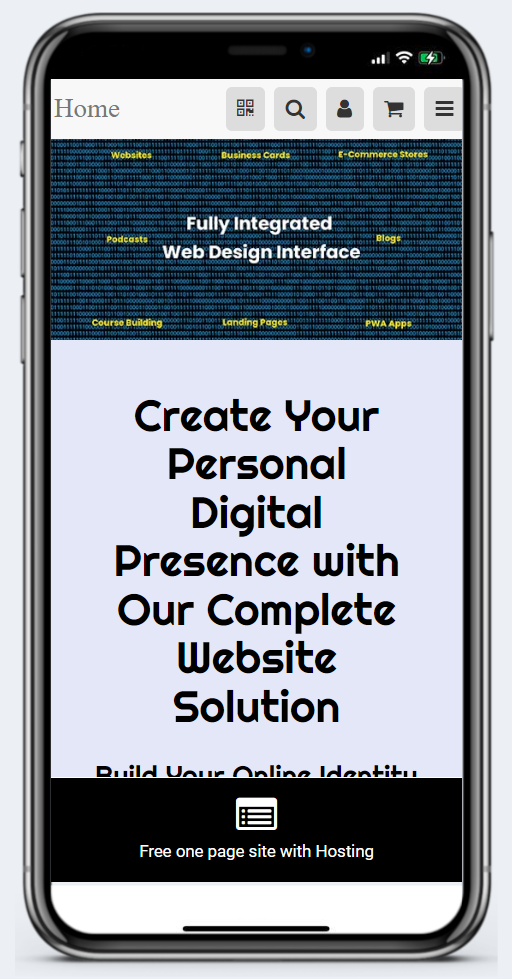
Powerful AI Assistant Helps Write Content

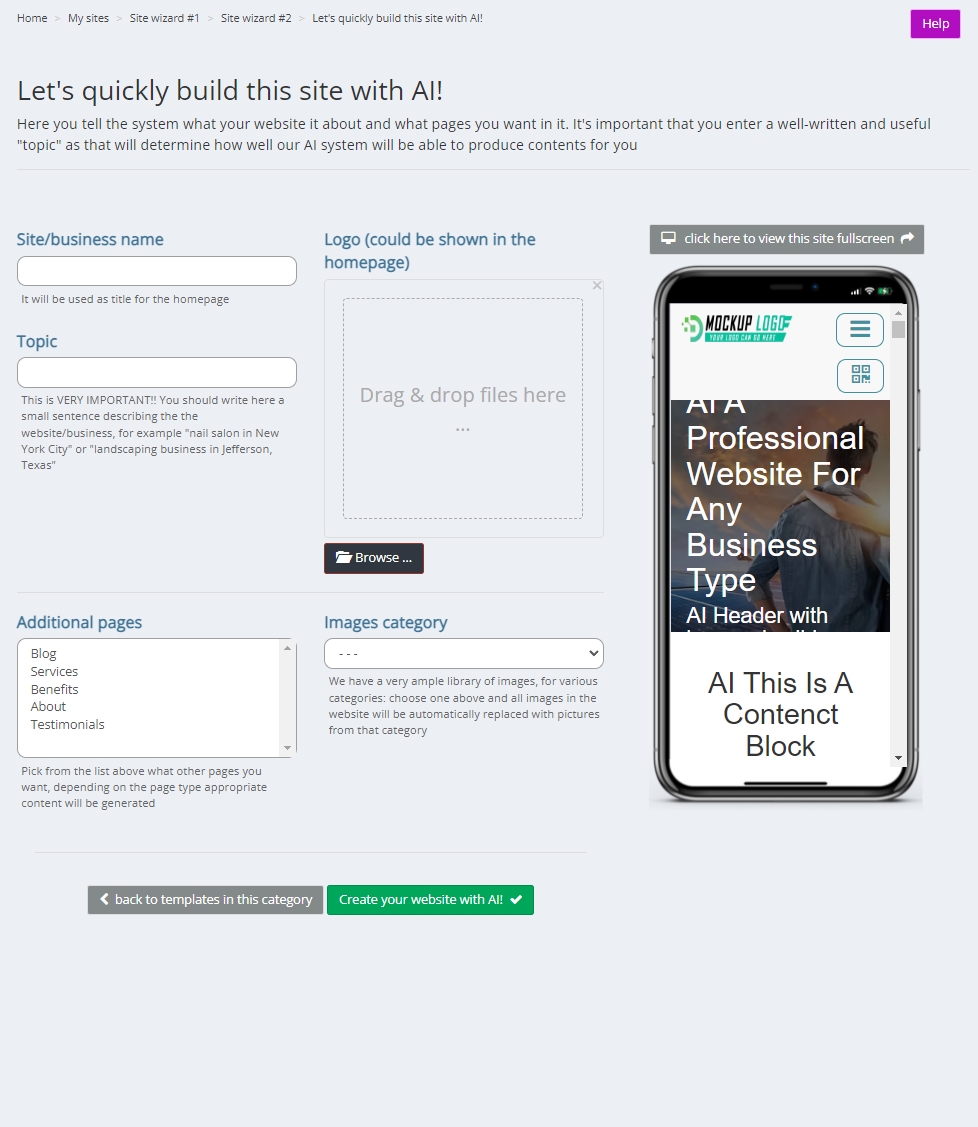
The AI feature integrated into the MobileFirst-Personal interface offers several notable benefits. It simplifies the process of content generation, saving users time and effort. The AI can generate relevant and engaging content by itself. All the user needs to do is feed in a keyword and the AI can create a full-fledged website based on the AI template.
Our AI feature enables granular control over content generation in various widgets. This feature is especially valuable when specific, detailed content is required. The AI can generate text that is tailored to the needs of the widget, enhancing relevance and user engagement.
Full Fledged E-Commerce And Marketing Tools

We're your perfect partner in molding the future of your business.
We offer full-fledged e-commerce and marketing tools designed with a mobile-first approach. These tools are included in our package, ensuring nothing short of optimized and tech-savvy services for you.
Our mobile-first e-commerce tools ensure an adaptive, user-friendly, and captivating mobile shopping experience. Seamless navigation and fast loading times, vital in maintaining potential customers' attention and increasing conversion rates. Built to be scalable, our e-commerce toolset adapts and grows with your business, ensuring you're never left behind in the fast-paced digital market.
Great Websites And PWA's That Really Perform

Our advanced PWA integration with MobileFirst-Personal interface is an effective shortcut that turns websites into user-friendly, native-feeling applications. Whether you are a startup aiming for a cost-effective solution or a well-established enterprise looking to take user engagement to the next level, our advanced PWA integration enables it all.
Our advanced PWA integration provides all the benefits of a mobile app, including offline mode, push notifications, and access from the home screen, without any data storage needs. It creates lighter, faster, and highly efficient mobile apps that significantly improve user experience in terms of speed, accessibility, and ease of use.
Easy SEO-Optimization Everywhere
SEO optimization is a crucial aspect of building a webpage, which can be natively integrated right into webpage builders. With the mobilefirst-personal construction interface, developers can meticulously design each page, ensuring that they embed key search engine optimization data during the building process. This strategic integration allows the website to achieve higher visibility and ranking in search engine results. The website is not only developed with a mobile-first and user-friendly approach but also with an eye on enhancing its digital footprint, giving it a significant edge in today's competitive online landscape.

To add this web app to your homescreen, click on the "Share" icon

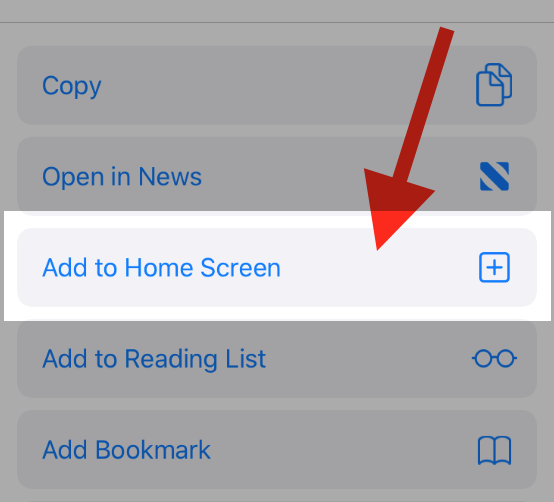
Then click on "Add to Home"
To add this web app to your homescreen, click on the "Share" icon
Then click on "Add to Home"
It looks like your browser doesn't natively support "Add To Homescreen", or you have disabled it (or maybe you have already added this web app to your applications?)
In any case, please check your browser options and information, thanks!
It looks like your browser doesn't natively support "Add To Homescreen", or you have disabled it (or maybe you have already added this web app to your applications?)
In any case, please check your browser options and information, thanks!